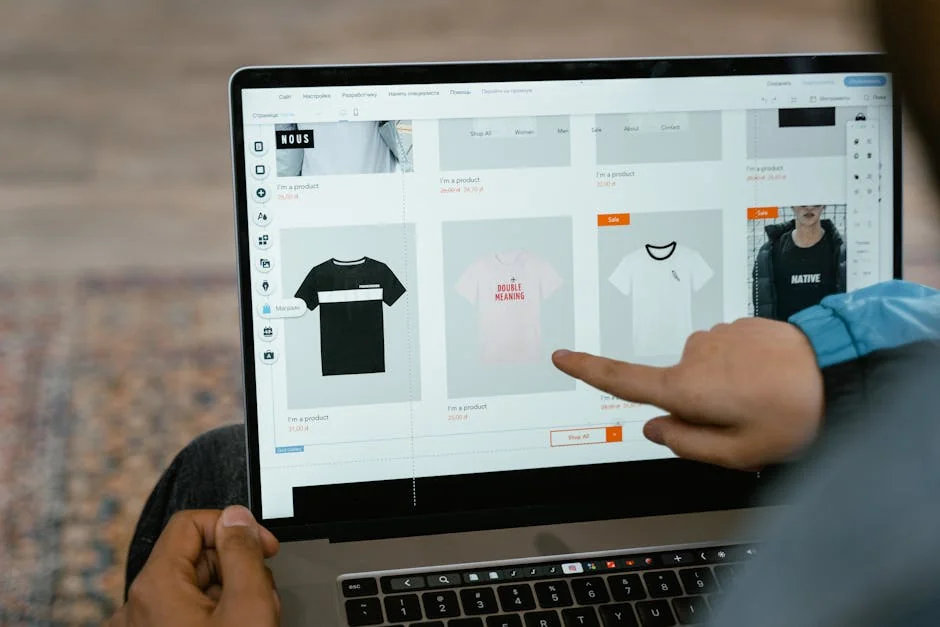
The Path to Freelancing: From Micro-Skill to First Gig
An estimated 1.57 billion people are currently freelancing. Individuals interested in joining this segment of the workforce can begin by identifying a marketable micro-skill, creating a concise one-page portfolio, and securing an initial project on a free platform. It is advisable to allocate 20% of every payment to a separate “buffer” account to manage cash flow effectively.
The Financial Impact of Freelancing
For many, the initial foray into self-employment can be financially challenging. Data from Demandsage indicates that 1.57 billion individuals are self-employed, exceeding the total population of the United States. This suggests a significant and growing interest in independent work.
KEY STAT: “Over 60% of freelancers report earning more than they did in their previous full‑time roles.” – Passport‑Photo Online
Key Takeaway
Freelancing functions as an online business that can be operated from various locations, offering flexibility and independence.
Defining Freelancing
Freelancing involves selling time, talent, or products on a per-project basis, typically to multiple clients. It is a business model focused on generating cash flow.
- Gig – A single contract or assignment.
- Portfolio – A curated collection of an individual’s best work.
- Rate card – A list of services and their corresponding prices.
- Retainer – A recurring monthly payment for ongoing work.
A common misconception is that freelancers are merely temporary workers. In reality, freelancers determine their rates, select clients, and retain full control over their business outcomes and associated risks. Another misconception is the necessity of a sophisticated website to begin. A professional LinkedIn profile combined with a PDF portfolio can be sufficient to secure an initial client.
The Significance of the Gig Economy
The gig economy represents a fundamental shift in the labor market. Upwork’s 2025 report indicates a 22% year-over-year increase in beginner-level contracts, signifying expanded opportunities for new freelancers.
Consider an individual who secured an initial $150 logo design project. This project could evolve into a $1,200 monthly retainer after the delivery of a comprehensive brand kit, illustrating the compounding effect of recurring work. For those experiencing a paycheck-to-paycheck cycle, freelancing has the potential to increase income by 30-50% within six months.
Essential Pillars for Freelance Success
| Pillar | Importance | Actionable Step |
|---|---|---|
| Niche | Differentiates services in a competitive market. | Identify three specific problems that can be solved. |
| Value-Based Pricing | Charges for outcomes rather than hours worked. | Develop a rate card that links pricing to deliverables. |
| Client Funnel | Converts potential clients into paying customers. | Establish a three-step outreach process: LinkedIn message, portfolio sharing, proposal submission. |
| Cash-Flow Buffer | Prevents financial instability. | Allocate 20% of each payment to a separate account. |
These pillars are interdependent and crucial for sustained progress in freelancing.
A Step-by-Step Approach to Freelancing
- Select a micro-skill: Choose a skill that can be completed within a few hours, such as “quick-turn Instagram reels” or “WordPress bug fixes.”
- Develop a one-page portfolio: Include two to three examples that demonstrate problem-solving capabilities.
- Choose a beginner-friendly platform: Options include Upwork, Fiverr, or 99designs.
- Pitch, negotiate, and deliver: Keep proposals under 150 words, emphasize return on investment, and establish clear milestones.
- Invoice and collect payments: Utilize free tools like Google Sheets and PayPal for efficient payment processing.
This process follows a continuous loop: Skill development → Portfolio creation → Sales → Repetition.
Initiating Freelance Work (Without Upfront Capital)
1. Skill Assessment
Individuals can identify their existing skills by listing everything learned independently. For example, skills might include basic Photoshop, copyediting, or TikTok video editing. The chosen skill should align with market demand, which can be researched on job boards like SelfEmployed.
2. Portfolio Development
If there are no existing client projects, individuals can create speculative work. This involves redesigning a local bakery’s menu or drafting a blog post for a hypothetical tech startup. These examples can be saved as PDFs, uploaded to Google Drive, and shared via a link.
3. Platform Selection
- Upwork: Suitable for writing and development projects.
- Fiverr: Ideal for quick tasks such as logo adjustments.
- Freelancer.com: Useful for one-off data entry assignments.
The “About” section on these platforms should combine a personal narrative with a value proposition, kept under 300 words.
4. Rate Setting
Begin with a lower rate to secure initial reviews, but ensure it reflects the value of the work. For instance, $15/hour for writing or $25 for design. A formula for setting rates is: Desired income ÷ billable hours.
5. Professional Pitching
A concise pitch can be structured as follows:
Hi [Name],

It appears there is a need for [specific need]. [Similar client] achieved an X% increase in [result] within Y weeks with assistance. A [deliverable] can be provided for $[price] within [timeframe].

Sincerely,
[Your Name]
After sending a pitch, if there is no response within 48 hours, it is advisable to move on to other opportunities.
6. Cash Flow Management
Open a separate checking account. Upon receiving payment, transfer 20% to a “tax & buffer” sub-account. This practice helps prevent financial shortfalls after initial payouts. It is recommended to set aside approximately 30% for taxes from the outset.
Advanced Strategies
- Retainer Packages: Secure ongoing work, such as $300-$500 per month for social media management.
- Digital Product Upselling: Create and sell a $19 template bundle after establishing expertise in a niche.
- Hybrid Approach: Combine delivery work (e.g., DoorDash) with freelance projects to stabilize cash flow.
- Referral Network: Offer existing clients a 10% discount for each new client they refer.
Common Pitfalls and Solutions
| Mistake | Consequence | Solution |
|---|---|---|
| Underpricing | Burnout from low compensation (e.g., 40 hours for $200). | Implement value-based pricing and adjust rates after three projects. |
| Lack of contract | Payment disputes, scope creep. | Use a free PDF contract template. |
| Indiscriminate job pursuit | Diluted focus, low-quality projects. | Target three platforms and apply to a maximum of five jobs per week. |
| Ignoring taxes | Unexpected tax liabilities (e.g., a 30% bill from the IRS). | Set aside 25-30% of each payment for taxes from the beginning. |
Recommended Tools (Free and Paid)
| Category | Free Option | Paid Option (if budget allows) | Primary Use |
|---|---|---|---|
| Portfolio | Google Sites | Squarespace ($12/month) | Displaying work |
| Invoicing | PayPal Invoicing | FreshBooks ($15/month) | Professional billing |
| Time Tracking | Toggl (free) | Harvest ($12/month) | Logging billable hours |
| Design | Canva (free) | Adobe CC ($52/month) | Creating graphic assets |
| Learning | YouTube tutorials | Skillshare ($15/month) | Skill development |
Individuals should select tools that align with their budget, as a costly design suite is not necessary to commence freelancing.
Measuring Success
- Revenue Goal: Aim for $1,000 per month within three months.
- Client Retention: Target 30% of clients becoming repeat customers.
- Effective Hourly Rate: Calculate total earnings divided by total hours (including administrative time).
- Review Score: Maintain a rating of 4.8 stars or higher on platforms.
These metrics should be reviewed bi-weekly. If targets are not met, adjustments to rates or outreach strategies may be necessary.
FAQ
Q: How can an online business be started with no money? A: Utilize free platforms such as Google Drive and LinkedIn, open-source design tools, and reinvest the first $100 into a domain or modest advertising once cash flow is established.
Q: Is it advisable to use multiple gig sites? A: Select two complementary platforms (e.g., Upwork for long-term projects, Fiverr for quick tasks). Using too many platforms can lead to overextension.
Q: How can a hobby be monetized? A: Package the hobby as a service (e.g., “digital art from family photos”) and market it on niche forums or Etsy.
Q: Is the pay from DoorDash or Uber Eats relevant for freelancers? A: These services can serve as a temporary bridge for cash flow. While they average $12-$18 per hour in 2026, freelance work can exceed $30 per hour once established.
Next Steps
With a foundational understanding of freelancing, individuals can explore resources such as the Side-Hustle Scaling guide for automating client onboarding and the Digital Product Launch Checklist for converting expertise into passive income.
Freelancing offers an accessible route to financial independence. Individuals can identify a micro-skill, develop a one-page portfolio, and submit their initial pitch. The gig economy presents numerous opportunities for those ready to engage.