TL;DR
- Secured cards require a cash deposit; unsecured cards do not.
- Secured cards serve individuals with no credit score or a sub-prime score.
- Responsible use can improve a low credit score within months.
The Costly Credit Card Error
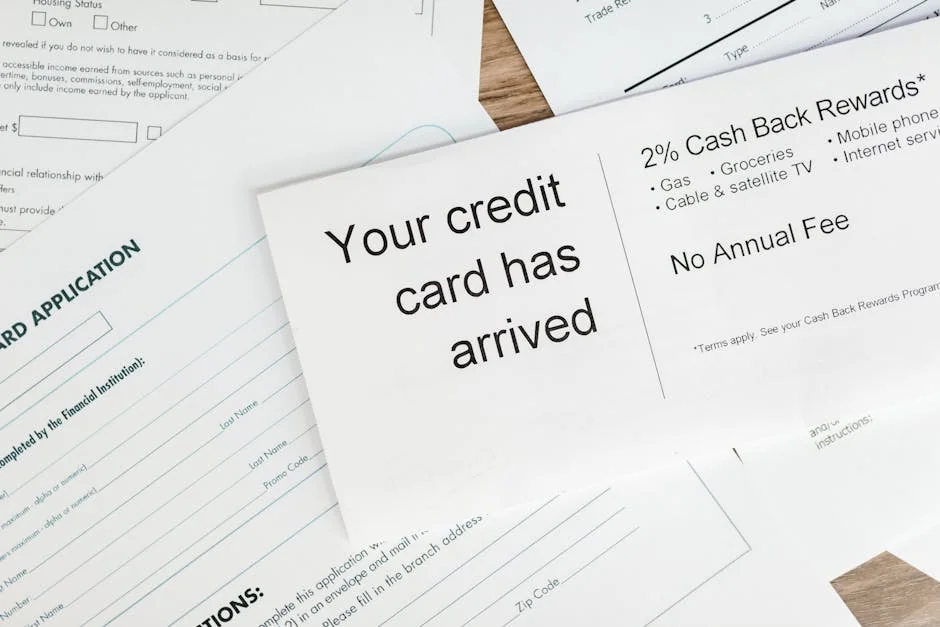
Consider an individual who uses a “premium rewards” credit card, believing the points would improve their credit. Two weeks later, the statement shows $800 in interest and a $95 late fee, resulting in a 40-point credit score reduction. This scenario illustrates the risk of using an unsecured line with a limit that exceeds one’s repayment capacity, particularly for those with limited credit history. For individuals starting from zero credit, a secured card offers a more stable foundation than a high-risk unsecured option.
Key Takeaway – Individuals should prioritize building a solid credit foundation over chasing flashy rewards when their credit is underdeveloped, to avoid incurring significant costs.
Understanding Secured Cards
Secured Card
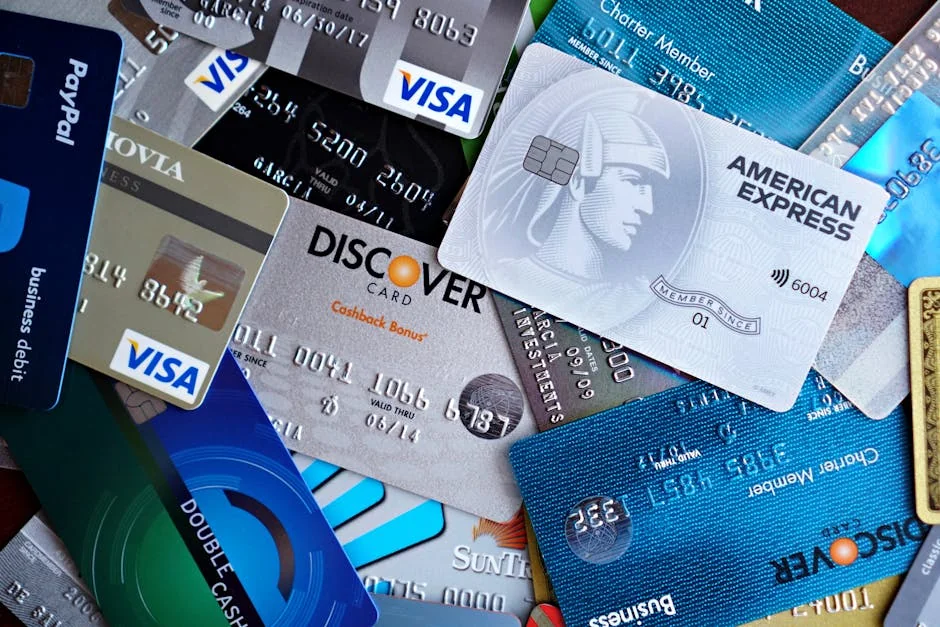
A secured card functions as a credit line backed by a cash deposit. An individual deposits $200-$2,000 into an account, which the issuer holds as collateral. The credit line typically matches this deposit. In the event of default, the issuer retains the deposit.
Unsecured Card
An unsecured card does not require a deposit. The credit limit is determined by the bank based on the applicant’s credit history, income, and perceived risk.
Quick Glossary
- Credit Limit – The maximum amount that can be owed at any given time.
- Revolving Balance – Debt that carries over from month to month, accruing interest.
- Deposit – Cash held as collateral for a secured card.
- Credit Score – A three-digit number indicating a borrower’s creditworthiness to lenders.
Credit Score Impact
Individuals with a credit score around 580 often begin their credit improvement efforts with a secured card. Research from the Philly Fed indicates that typical secured-card borrowers have no credit score or a very low one when they open the account. The deposit mitigates risk for the issuer, allowing credit bureaus to record on-time payments without the high risk of default.
Unsecured cards can significantly boost a credit score if managed with discipline, including low utilization, consistent on-time payments, and a diverse credit mix. However, a single misstep, such as maxing out the card or incurring a late fee, can rapidly decrease the score.
KEY STAT
Excluding inactive accounts, 44.5 % of secured cards are revolving compared to a lower percentage for unsecured cards.
This statistic suggests that secured cards are frequently used as traditional revolving credit lines, which is beneficial for credit reporting.
Core Concepts: Deposits, Limits, and Revolving Use
| Concept | Secured Card | Unsecured Card |
|---|---|---|
| Deposit Required | Yes ($200-$2,000) | No |
| Credit Limit | Usually equals deposit | Set by issuer (often 1.5-3× income) |
| Risk to Issuer | Low (collateral) | Higher (no collateral) |
| Typical Borrower | No/low score, low income | Established credit, moderate-high income |
| Revolving Ratio | Higher (44.5 % revolving) | Lower |
Revolving vs. Non-Revolving
A revolving account allows a balance to be carried month-to-month, incurring interest. A non-revolving account is similar to a prepaid card, where spending is limited to available funds, with no debt accumulation. Secured cards are typically revolving, as users often treat the deposit as a credit line.
Operational Process: From Application to Upgrade
- Application & Deposit – An individual completes a brief application, the issuer performs a soft credit inquiry, and the cash deposit is transferred.
- Activation – Once the deposit clears, a card is issued with a credit limit matching the deposit.
- Usage – The card is used for purchases, payments are made on time, and credit utilization is kept under 30 % (ideally under 10 %).
- Reporting – The issuer reports payment history to the three major credit bureaus.
- Upgrade Path – Some issuers automatically review accounts after 6-12 months and may return the deposit if the cardholder qualifies for an unsecured line. However, Discover recently ceased automatic reviews at the seven-month mark, requiring cardholders to request an upgrade themselves.
First-Card Checklist
- Credit Score Assessment – Obtain a free credit report from annualcreditreport.com.
- Deposit Budget – Allocate only funds that can be afforded for the deposit.
- Card Selection – Choose a card with low fees, clear terms, and one that reports to all three credit bureaus.
- Payment Planning – Automate at least the minimum payment and set payment reminders.
- Utilization Tracking – Maintain low balances; use a budgeting application or spreadsheet.
Red Flag: Depositing $2,000 for a “premium” rewards tier on a secured card is generally not advisable. Most rewards on secured cards are minimal, and such a large deposit ties up cash that could be used for an emergency fund.
Advanced Strategies: Rewards, Balance Transfers, and Automation
Reward Benefits
Some secured cards offer a modest cash-back rate (1-2 %). By consistently spending and paying in full, cardholders can earn rewards while building credit.
Balance Transfer Option
If an individual has a high-interest unsecured card, they may transfer the balance to a secured card if the issuer permits and the APR is lower. A 3-5 % transfer fee typically applies.
Automation
- Auto-Pay Minimum – Helps avoid late fees.
- Auto-Deposit – Allocating a $50 portion of each payday can help maintain low utilization.
- Alerts – Notifications for a $0 balance or utilization exceeding 20 % can be beneficial.
Common Mistakes and Prevention
| Mistake | Impact | Solution |
|---|---|---|
| Charging More Than Deposit | Over-limit fees, increased utilization | Keep spending at or below 80 % of the deposit |
| Missing a Payment | Late payments can decrease a score by 60-110 points | Use auto-pay and calendar reminders |
| Closing the Card Too Soon | Shortens credit history, reduces average age of accounts | Keep the account open for at least 12 months |
| Assuming Deposit Is “Free Money” | Loss of deposit upon default; reduced liquidity | Treat the deposit as a backup for an emergency fund |
| Ignoring Annual Fees | Fees can negate any earned rewards | Select a no-fee secured card or ensure rewards offset fees |
Tools & Resources: Comparison Table
| Feature | Secured Card A (Low-Fee) | Secured Card B (Rewards) | Unsecured Card C (Standard) |
|---|---|---|---|
| Deposit Minimum | $200 | $500 | N/A |
| Annual Fee | $0 | $35 | $0-$95 |
| Cash-Back | 0 % | 1 % on all purchases | 1.5 % travel, 2 % dining |
| Reporting | All three bureaus | All three bureaus | All three bureaus |
| Upgrade Path | Manual request after 12 mo | Automatic after 6 mo (subject to review) | N/A |
| Best For | Beginners, tight budget | Modest rewards boost | Established credit, higher limits |
(Figures are illustrative; always verify issuer terms.)
Measuring Success: Key Metrics
- Payment History – Constitutes 35 % of a credit score; aim for 100 % on-time payments.
- Credit Utilization – Maintain under 30 %, ideally under 10 %.
- Average Age of Accounts – Allow the secured card to age at least 12 months before closing.
4 Score Change – Monitor monthly using free credit-monitoring tools; a 20-point increase in 3-4 months is a positive indicator. - Deposit Return Timeline – Note the anticipated date for deposit return (if upgrading).
Conduct quarterly reviews: obtain a credit report, assess utilization, and adjust spending as needed.
FAQ
Can an individual hold both a secured and an unsecured card simultaneously?
Yes. Many individuals use a secured card for credit building while utilizing an unsecured card for larger purchases and rewards.
How long do negative items remain on a credit report?
Most negative items, such as late payments and collections, remain for 7 years; bankruptcies can remain for up to 10 years. A secured card with consistent on-time payments can begin to outweigh these negatives after approximately 12-18 months.
Will a secured card negatively affect a credit score?
Not if used responsibly. The deposit itself is neutral; the primary factors are payment history and low utilization.
How can an individual improve their credit score quickly?
Pay all bills on time, reduce credit utilization, become an authorized user on an account with good credit, and consider a secured card to establish positive tradelines rapidly.
Do secured cards typically offer travel rewards?
This is uncommon, though a few specialized issuers may offer modest points. This usually involves a higher deposit or fee.
Next Steps
With this information, individuals can explore additional resources such as “First Credit Card Tips for Millennials” and “Credit Card Rewards Strategies That Actually Work.” Mastering these principles can transform a $200 deposit into a credit score that provides financial opportunities.
Actionable Advice: Consider applying for a low-fee secured card with a $200 deposit and setting up auto-pay today. Monitor your credit report in 30 days for any changes. Track your credit score improvement over three months.